
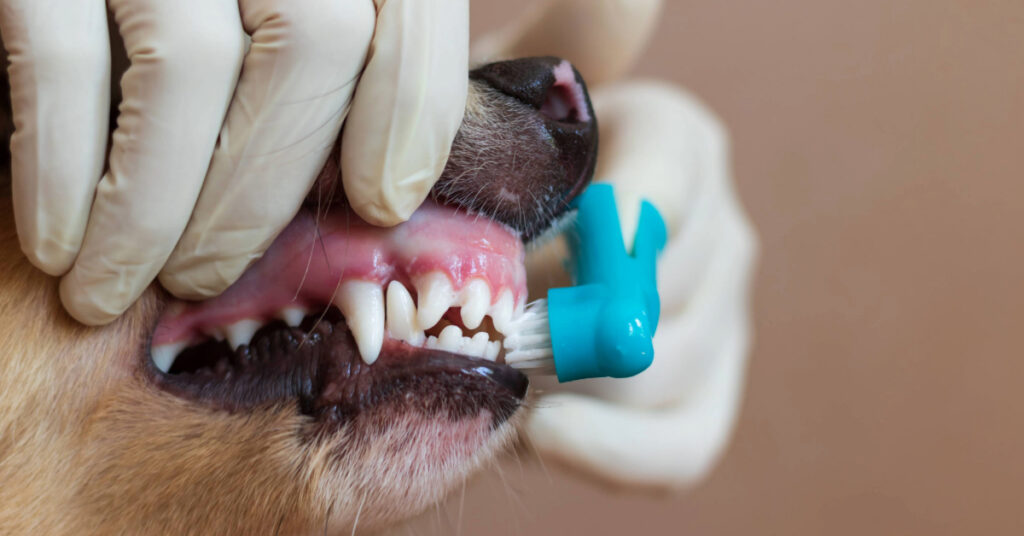
Bad breath in dogs is something most pet owners notice, but fewer take seriously. While a little odor after a meal is normal, persistent or severe bad breath in dogs is often a sign of an underlying health problem that deserves veterinary attention. If you’ve been dismissing your dog’s stinky breath as just “dog breath,” this guide will help you understand when it’s time to act.
Is Bad Breath in Dogs Normal?
Mild, occasional mouth odor can be normal in dogs, especially right after eating. But chronically bad breath in dogs is not something to brush off. Persistent halitosis is one of the most common signs of dental disease, and dental disease is the most prevalent health condition diagnosed in adult dogs.
At Loveland Regional Animal Hospital in Loveland, OH, our veterinary team regularly sees dogs whose bad breath was the first clue to a serious oral or systemic health issue. The good news: most causes of dog bad breath are treatable when caught early.
What Causes Bad Breath in Dogs?
There are several reasons your dog’s breath might be unpleasant. Some are minor, others are medically significant.
Periodontal Disease
Periodontal disease, which is infection and inflammation of the structures supporting the teeth, is the most common cause of bad dog breath. By age 3, the majority of dogs show some signs of periodontal disease. Bacteria accumulate in plaque and tartar, producing foul-smelling sulfur compounds and causing gum tissue to break down. Without professional treatment, periodontal disease can lead to tooth loss and systemic infection.
Tooth Decay and Abscesses
A decayed or abscessed tooth is a significant source of canine bad breath. Abscesses produce bacterial infection and often pus beneath the gumline, areas you can’t see but your nose can certainly detect. A dog with a tooth root abscess may also show facial swelling, reluctance to eat, or pawing at their mouth.
Dietary Factors and Foreign Objects
Dogs that eat garbage, feces, or strong-smelling food may have temporary bad breath. However, a foreign object lodged in the mouth like a sliver of bone or a piece of stick can become infected and cause a persistent foul odor. Oral foreign objects require veterinary removal.
Systemic Illness
Not all causes of bad breath in dogs originate in the mouth. Kidney disease can produce a urine-like or ammonia odor on a dog’s breath. Diabetes may cause a sweet, fruity smell. Liver disease can produce an especially foul, distinct odor. If your dog’s breath has an unusual quality, not just “stinky” but distinctly different, this warrants prompt veterinary evaluation.
6 Signs Your Dog’s Bad Breath Is More Than Just Odor
Not all dog halitosis looks the same. Here are six signs that your dog’s bad breath deserves a veterinary examination rather than just a dental chew.
- Persistent odor that doesn’t improve: If your dog’s breath consistently smells bad regardless of what they’ve eaten, dental disease or another underlying issue is likely at play.
- Visible tartar or discolored teeth: Yellow or brown buildup on your dog’s teeth is calcified plaque, a primary driver of bacteria and bad dog breath that only a professional dental cleaning can remove.
- Red, swollen, or bleeding gums: Inflamed gums signal active periodontal disease. This level of gum involvement means bacteria have moved beyond the tooth surface and into the gum tissue.
- Difficulty eating or dropping food: If your dog seems reluctant to chew, favors one side of their mouth, or drops food while eating, oral pain is a likely cause and bad breath often accompanies it.
- Pawing at the mouth or face rubbing: Dogs in oral pain frequently paw at their muzzle or rub their face along furniture or carpet. When combined with dog halitosis, this behavior signals significant oral discomfort.
- Unusual breath smell: Sweet, fruity, or ammonia-like breath in dogs is not a dental issue as it may point to diabetes or kidney disease and requires blood and urine testing to diagnose.
Can You Prevent Bad Breath in Dogs?
Yes, and prevention is far easier than treatment. The most effective strategy for preventing dog bad breath is a consistent oral hygiene routine combined with regular professional dental cleanings at Loveland Regional Animal Hospital.
Tooth Brushing
Brushing your dog’s teeth daily with a pet-safe toothpaste is the gold standard for preventing plaque buildup and dog bad breath. Even brushing a few times a week makes a meaningful difference. Never use human toothpaste as fluoride and xylitol are toxic to dogs.
Dental Chews and Water Additives
Products with the Veterinary Oral Health Council (VOHC) seal have been evaluated for their ability to reduce plaque and tartar. Dental chews and water additives won’t replace brushing or professional cleanings, but they can be a helpful part of an overall oral hygiene plan.
Professional Dental Cleanings
No amount of at-home care can remove calcified tartar once it has formed, that requires a professional dental cleaning performed under anesthesia. Annual cleanings allow your veterinarian to fully examine every tooth, clean below the gumline, and identify problems like fractures or abscesses before they become serious.
When to Take Your Dog to the Vet for Bad Breath
If your dog has bad breath that persists for more than a few days, or if you notice any of the six signs listed above, schedule a veterinary examination. Don’t wait until your dog is in obvious pain. Dental disease progresses silently, and most dogs are remarkably good at hiding discomfort.
At your appointment, the veterinarians at Loveland Regional Animal Hospital will perform an oral exam and may recommend dental X-rays or bloodwork depending on what they find. Early intervention makes treatment simpler, less expensive, and more effective.
What Happens During a Dog Dental Exam at the Vet?
During a routine wellness exam, your vet will visually inspect your dog’s mouth, teeth, and gums. If significant tartar, gum inflammation, or other concerns are present, they’ll recommend a professional dental cleaning under anesthesia. This procedure allows for a complete oral evaluation, full-mouth X-rays, cleaning above and below the gumline, and treatment of any identified problems.
Many pet owners worry about anesthesia, but veterinary dental procedures are very safe when your pet is properly screened with pre-anesthetic bloodwork. The risks of untreated dental disease including heart, kidney, and liver complications from chronic oral bacteria far outweigh the minimal risk of a properly managed dental procedure.
Your Dog’s Breath Tells a Story Worth Listening To
Bad breath in dogs is one of the most overlooked indicators of health problems in pets. Whether it signals gum disease, a systemic condition, or something caught between their teeth, your dog’s breath is worth paying attention to.
If you’re concerned about your dog’s bad breath or it’s been more than a year since their last dental exam, call Loveland Regional Animal Hospital in Loveland, OH at (513) 697-9796 or book an appointment online today. Our team is experienced in canine dentistry and committed to helping your dog enjoy a healthier, more comfortable life, starting with their smile.