
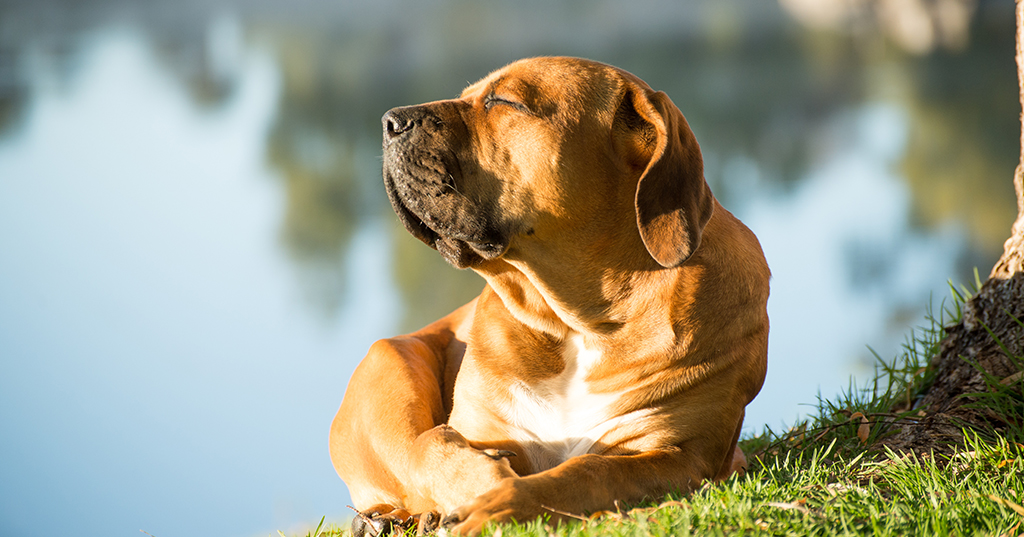
Yes, dogs can get sunburn, especially on areas with thin fur or exposed pink skin such as the nose, ear tips, belly, and inner thighs. Dogs with white or light-colored coats, short hair, or hairless breeds face the highest risk, and repeated burns can lead to skin cancer over time. Many owners are surprised to learn this, since a fur coat seems like built-in protection. In reality, fur only blocks some ultraviolet (UV) light, and plenty of dogs have patches of skin that receive almost no coverage at all. Long summer afternoons at Lake Isabella, splash days at the pool, and hours of sunbathing on the back deck all add up. At Loveland Regional Animal Hospital, we field the question “Can dogs get sunburn?” every summer, along with plenty of questions about sunscreen and skin care. In this blog, we’ll explore which dogs are most vulnerable, how to recognize a burn, practical prevention strategies, and what veterinary care looks like.
Can Dogs Get Sunburned? Understanding Who Is Most at Risk
Any dog with exposed skin can burn, but some dogs need more protection than others because of their coat, skin pigment, or lifestyle.
How Sunburn Happens in Dogs
Sunburn develops the same way in dogs as it does in people. UV rays damage skin cells, triggering inflammation, redness, and tenderness. Pigment in the skin offers some natural defense, so dogs with dark skin and dense coats rarely burn on most of their body. Pink skin, however, has little pigment to absorb those rays. Owners who wonder “Can dogs get sunburn through their fur?” should know that thin or light-colored coats let more UV light reach the skin than thick, dark ones.
Breeds and Traits That Increase the Risk
Dogs most likely to burn include:
- Hairless breeds, such as the Chinese Crested and Xoloitzcuintli
- Short-coated, light-skinned breeds like Dalmatians, Whippets, Greyhounds, and Bull Terriers
- White or pale-coated dogs, including white Boxers and many Pit Bull-type dogs
- Dogs with pink noses or unpigmented eyelids
- Dogs recently shaved for surgery, grooming, or summer haircuts
- Pets with hair loss from allergies or other skin conditions
Lifestyle Factors That Matter
Behavior plays a role too. Dogs who love lying belly-up in the sun expose their thinnest skin directly to UV light. Water and sand reflect sunlight, adding to the dose dogs receive at the beach or pool. Even a dog who spends hours near a sunny window can accumulate exposure. Senior dogs with thinning coats and dogs taking certain medications that increase light sensitivity may also burn more easily, so it is worth asking your veterinarian whether your pet falls into a higher-risk group.
How Can I Tell If My Dog Is Sunburned?
Sunburn on a dog often looks a lot like sunburn on a person, though fur can make it harder to spot right away.
Common Signs of a Burn
Check high-risk areas after a day outside. Signs of sunburn can include:
- Red or pink skin that feels warm to the touch
- Dry, cracked, or peeling skin, especially on the nose and ear tips
- Sensitivity or flinching when you touch the area
- Hair loss along the edges of the ears
- Blisters or crusting in more severe cases
Behavior Changes to Watch For
Dogs with a painful burn may avoid being petted, scratch or lick at their skin, or seem restless when lying down. Some dogs become reluctant to go outside after a bad burn. If your dog has a fever, seems lethargic, or shows signs of overheating like heavy panting, they may also be dealing with heat stress, which is a medical emergency.
When Sunburn Becomes a Bigger Concern
Repeated sun damage can lead to a condition called solar dermatitis, where the skin thickens, scabs, and becomes chronically inflamed. Over years, chronic sun exposure also increases the risk of certain skin cancers, including squamous cell carcinoma and hemangiosarcoma of the skin. Any sore that won’t heal, a growth on sun-exposed skin, or a crusty patch on the ears or nose deserves a veterinary exam. The answer to “Can dogs get sunburn?” matters most here, because early detection leads to more treatment options.
Do Dogs Need Sunscreen? Prevention Tips for Sunny Days
Preventing sunburn is far easier than dealing with the aftermath, and a few simple habits go a long way.
Choosing a Pet-Safe Sunscreen
Many dogs at high risk benefit from sunscreen on vulnerable areas. However, human sunscreens are not a safe substitute for many pets. Products containing zinc oxide can be toxic if licked and swallowed, and those with salicylates (such as octisalate or homosalate) can also cause problems. Look for sunscreens formulated specifically for dogs, and ask your veterinarian to recommend a product that suits your dog’s skin. People asking “Can dogs get sunburn even with sunscreen?” should know that no product offers complete protection, so sunscreen works best as one part of a broader plan.
Everyday Habits That Reduce Sun Exposure
Simple changes to your routine make a real difference:
- Schedule walks in the early morning or evening, avoiding peak UV hours between 10 a.m. and 4 p.m.
- Provide shaded areas in the yard with trees, canopies, or covered porches
- Use UV-protective dog shirts or bodysuits for hairless or thin-coated pets
- Talk with your groomer about leaving enough coat length to shield the skin
- Close blinds or apply UV-filtering film on windows where your dog loves to nap
Remember Cloudy Days Too
UV rays pass through clouds, so overcast days still carry risk. Dogs can also burn in spring and early fall when owners are less likely to think about sun protection.
Dog Sunburn Treatment: What to Expect From Your Veterinarian
If you suspect your dog has a sunburn, a call to your veterinarian is the best next step, especially for blistering, open sores, or a burn covering a large area.
The Veterinary Exam
Your veterinarian will examine the affected skin, check for signs of infection or heat-related illness, and ask about your dog’s recent time outdoors. Because other skin conditions such as allergies, autoimmune disease, or infections can look similar to a burn, the exam helps confirm the true cause. For dogs with recurring sores or unusual growths, your vet may recommend a skin biopsy to rule out cancer.
How Veterinarians Treat Sunburn
Treatment depends on the severity of the burn. Mild cases may only need time and sun avoidance while the skin heals. More serious burns may require prescription medication to reduce pain and inflammation or to address a secondary infection. Avoid applying human creams, ointments, or home remedies, since some contain ingredients that are harmful if licked. Your veterinarian will provide guidance specific to your dog’s skin and comfort.
Planning for Long-Term Skin Health
Dogs who burn once are likely to burn again without changes to their routine. Your veterinarian can help you build a sun-safety plan and monitor high-risk areas during annual wellness exams. Taking photos of your dog’s nose, ears, and belly each spring gives you a helpful baseline for spotting new changes. If you have ever asked yourself “Can dogs get sunburn badly enough to scar?” the answer is yes, and those scarred areas often stay more sensitive to future sun exposure.
Sun-Smart Habits for a Healthier, Happier Dog
So, can dogs get sunburn? Absolutely, and the dogs most at risk are often the ones who love the sunshine most. Fortunately, knowing your dog’s risk factors, planning outdoor time around peak UV hours, and choosing a dog-safe sunscreen can protect your pet’s skin for years to come. Regular skin checks at home and during veterinary visits help catch problems early, before minor damage becomes something more serious. Share this information with dog walkers, pet sitters, and family members too, so everyone who cares for your pup follows the same sun-safe routine.
Loveland Regional Animal Hospital is here to help Loveland pet owners with sun-safety recommendations, skin exams, and care for burns or suspicious growths. Call (513) 697-9796 to schedule a skin check or ask our team about the best way to protect your pup this season.