
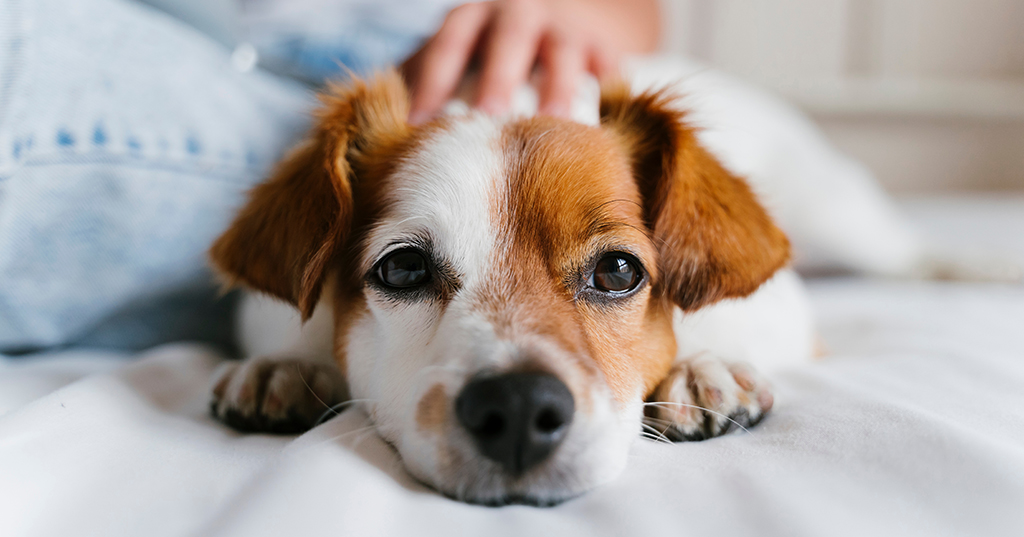
The right time to neuter a dog depends mostly on breed size: many small-breed dogs can be neutered around six months of age, while large and giant breeds often benefit from waiting until they finish growing, which can mean 9 to 18 months or later. Your veterinarian will weigh your dog’s size, health, and lifestyle to pinpoint the best window. For years, the standard answer was “at six months” for every puppy, but newer research has given owners and veterinarians a more personalized way to decide when to neuter a dog. That shift can feel confusing, especially for first-time puppy parents trying to sort through advice from breeders, trainers, and neighbors. At Loveland Regional Animal Hospital, we help Loveland families make this choice with clear information and an individualized plan. This blog walks through timing, safety, the surgical process, and what changes you can expect as your young dog matures.
When’s the Right Time to Neuter Your Dog?
No single age fits every puppy, and that is why a conversation with your veterinarian matters more than any general rule.
How Breed Size Shapes the Decision
Size plays the biggest role in deciding when to neuter a dog. Small dogs reach their adult size quickly, while big dogs keep developing bones and joints well into their second year. Hormones play a part in that growth, which is why timing can affect long-term orthopedic health. General guidelines from veterinary organizations, including the American Animal Hospital Association, look something like this:
- Toy and small breeds (under about 45 pounds as adults): often around 6 months of age
- Medium breeds: frequently between 6 and 12 months
- Large and giant breeds: commonly after growth plates close, often between 9 and 18 months
- Certain breeds, such as Golden Retrievers and German Shepherds: may benefit from even later timing based on breed-specific studies
Other Factors Your Veterinarian Considers
Breed size is only part of the picture. Your dog’s overall health, any retained testicles, behavioral concerns, and your household situation all influence when to neuter a dog. For example, a puppy with an undescended testicle may need surgery sooner because that tissue carries a higher risk of problems later. Families with an unspayed female dog at home may also prefer earlier timing. Shelter and rescue groups often neuter younger puppies before adoption, which is a safe and common practice for many dogs.
Why the Old “Six Months” Rule Changed
Research over the past decade has examined how the timing of neutering relates to joint disorders and certain cancers in specific breeds. The findings vary by breed, which is why veterinarians now lean toward individual recommendations rather than one blanket age. Questions about when to neuter a dog are a great topic to raise at an early puppy visit.
Is Dog Neutering Safe? The Benefits and Risks
Neutering is one of the most frequently performed surgeries in veterinary medicine, and complications in healthy young dogs are uncommon.
Health and Behavior Benefits
Neutering removes the testicles, which eliminates the risk of testicular cancer and greatly reduces testosterone. Many owners notice positive changes afterward. Potential benefits include:
- A lower chance of prostate enlargement and some prostate infections
- Less urine marking around the house and yard
- Reduced roaming and escape attempts when females in heat are nearby
- Fewer unplanned litters in the community
- Decreased mounting behavior in many dogs
Behavior changes tend to be strongest when hormone-driven habits have not had years to become routine, which is another reason timing matters.
Understanding the Possible Risks
Like any procedure involving anesthesia, neutering carries some risk. Modern anesthetic drugs, careful monitoring, and pre-surgical bloodwork have made those risks low for healthy pets. Longer-term considerations, such as a tendency toward weight gain and, in certain breeds, a link between early neutering and some joint or cancer conditions, are the main reasons veterinarians now tailor the timing. Your veterinarian can explain how these factors apply to your specific dog so you can make an informed choice.
Weighing Safety Against Timing
For most families, the question is not whether neutering is safe but when to neuter a dog so the benefits outweigh the trade-offs. A toy poodle and a Bernese Mountain Dog face very different considerations, even though the procedure itself is nearly identical. Bring a list of questions to your appointment, such as how your dog’s breed responds to early versus later neutering and what signs of maturity your vet will look for. An open conversation helps you feel confident in the plan you choose together.
A Puppy Owner’s Guide to Neuter Surgery and Recovery
Knowing what happens on surgery day takes much of the worry out of the process for both you and your puppy.
Before the Procedure
Your veterinary team will perform a physical exam and often recommend pre-anesthetic bloodwork to confirm your dog’s organs can safely process anesthesia. You will receive specific instructions about withholding food the night before. Make sure your puppy’s vaccines are current, and share any medications or supplements your dog takes. Once you and your vet have settled on when to neuter a dog of your breed and size, you can schedule the date around a calm week at home.
What Happens on Surgery Day
Most dogs come in during the morning and head home the same afternoon or evening. Your dog receives anesthesia and pain management, and a veterinary technician monitors heart rate, breathing, oxygen levels, and temperature throughout. The veterinarian makes a small incision just in front of the scrotum, removes both testicles, and closes the incision, often with sutures placed under the skin. The surgery itself typically takes less than an hour.
The First Two Weeks at Home
Your dog may seem groggy or quiet the first evening. Your veterinarian will send you home with detailed discharge instructions, which usually include activity restrictions and a cone or recovery suit to prevent licking at the incision. Follow those instructions closely and call your clinic with any questions. Contact your vet promptly if you notice swelling, discharge, bleeding, or a dog who won’t eat. Most dogs feel like themselves within a few days and fully heal in about 10 to 14 days.
Life After Surgery: What to Expect for Your Growing Dog
Once the incision heals, most neutered dogs return to their normal routines with the same playful personalities their families love.
Changes in Metabolism and Appetite
After neutering, a dog’s calorie needs often drop while appetite may stay the same or even increase. Without adjustments, that combination can lead to gradual weight gain. Your veterinarian can recommend a diet plan suited to your dog’s growth stage and activity level and track body condition at each visit. Large-breed puppies neutered before full maturity may also grow slightly taller, which is one more reason to discuss timing with your vet.
Behavior and Training
Testosterone levels fall over several weeks, so behavior shifts happen gradually rather than overnight. Neutering will not change your dog’s core personality, energy level, or ability to learn. Some behaviors stem from habit, fear, or a lack of training, so consistent training and socialization still matter. If certain behaviors continue, your vet can point you toward helpful resources. Owners who waited longer to decide when to neuter a dog sometimes notice that well-established habits, like marking a favorite fence post, fade more slowly.
Ongoing Wellness Care
Your dog’s care doesn’t stop after surgery. Plan on:
- Annual or twice-yearly wellness exams to monitor growth and weight
- Staying current on vaccinations and parasite prevention
- Dental checkups as adult teeth settle in
Planning Your Dog’s Neuter with a Trusted Local Team
Deciding when to neuter a dog is one of the most important early health choices you will make for your puppy. The best timing balances breed size, growth, health history, and your family’s needs, and that balance looks different for a Chihuahua than it does for a Great Dane. Rather than relying on a one-size-fits-all rule, partner with a veterinarian who knows your dog and can explain the reasoning behind each recommendation. Bring up the subject during your puppy’s vaccine visits so you have time to plan.
Our team at Loveland Regional Animal Hospital provides safe, carefully monitored surgery with attentive care from check-in to pickup. Learn more about our spay and neuter services, or call us at (513) 697-9796 to talk about the right time for your dog.