
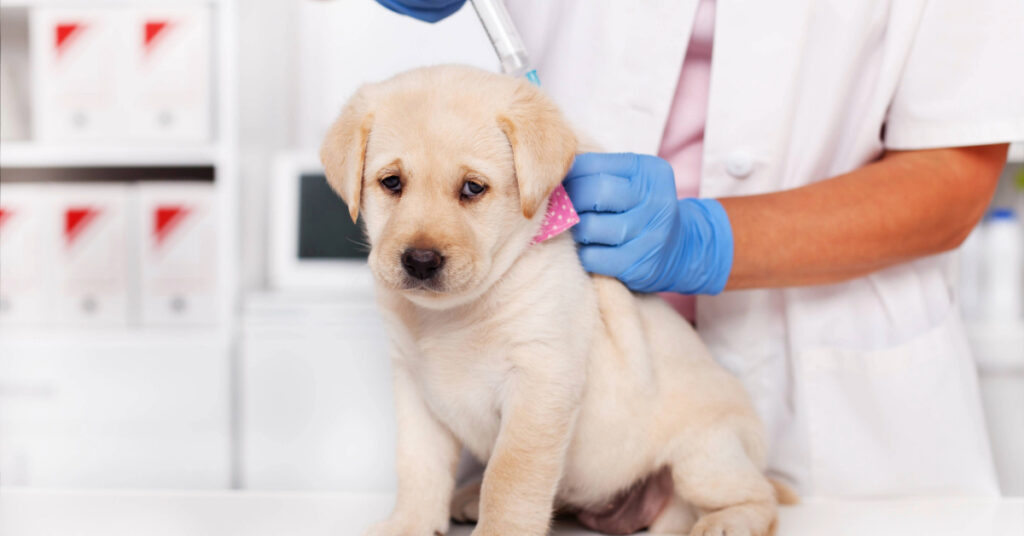
Your puppy’s vaccine schedule is one of the most critical steps you can take to protect their long-term health. A proper puppy vaccination schedule shields your new companion from deadly, preventable diseases during the window when they’re most vulnerable. If you’ve ever wondered what shots your puppy needs, when they need them, or what happens if you skip one, this guide is for you.
What Is a Puppy Vaccination Schedule?
A puppy vaccination schedule is a series of planned immunizations given during the first several months of your puppy’s life. These vaccines are carefully timed to build a strong immune response as maternal antibodies, the temporary protection passed from mother to puppy, gradually fade.
At Loveland Regional Animal Hospital in Loveland, OH, our veterinary team follows core vaccination guidelines established by leading veterinary organizations to ensure every puppy gets the right protection at the right time.
Core vs. Non-Core Puppy Vaccines
Not all puppy vaccines are the same. Some are considered essential for every dog, while others are recommended based on lifestyle and risk of exposure.
- Core vaccines include protection against distemper, parvovirus, adenovirus (hepatitis), and rabies. These diseases are serious, widespread, and often fatal, which is why every puppy needs them regardless of lifestyle.
- Non-core vaccines include protection against Bordetella (kennel cough), leptospirosis, Lyme disease, and canine influenza. Your veterinarian will recommend these based on your puppy’s environment, exposure risk, and activities.
When Does a Puppy Vaccination Schedule Start?
The puppy vaccine schedule typically begins at 6 to 8 weeks of age. Puppies receive a series of boosters every 3 to 4 weeks until they reach about 16 weeks. This repeated dosing is not redundant, it’s essential. Maternal antibodies can interfere with vaccine effectiveness, so boosters ensure that once those antibodies wane, your puppy’s own immune system takes over with full protection.
Typical Puppy Vaccine Schedule by Age
- 6–8 weeks: First DHPP (distemper, hepatitis, parvovirus, parainfluenza), Bordetella (if applicable)
- 10–12 weeks: Second DHPP booster, Leptospirosis (if applicable)
- 14–16 weeks: Third DHPP booster, Rabies, Leptospirosis booster (if applicable)
- 12–16 months: DHPP booster, Rabies booster before transitioning to adult vaccine schedule
Your puppy’s specific immunization schedule may vary slightly depending on their age at their first visit, overall health, and your veterinarian’s recommendations. The team at Loveland Regional Animal Hospital will tailor a vaccine plan that fits your individual pup.
Why Is a Puppy Vaccination Schedule So Important?
Puppy immunizations do more than protect your individual pet. They contribute to community immunity, reducing the spread of contagious diseases among dogs in your neighborhood, dog parks, and boarding facilities.
Here’s what’s at stake with each vaccine your puppy receives:
Parvovirus
Canine parvovirus is one of the most feared diseases in unvaccinated puppies. It spreads rapidly through contact with infected feces, survives on surfaces for months, and causes severe vomiting, bloody diarrhea, and immune suppression. Even with aggressive treatment, parvo can be fatal, especially in puppies under 6 months old.
Distemper
Distemper attacks a puppy’s respiratory, gastrointestinal, and neurological systems. It spreads through airborne exposure and contact with infected animals. There is no cure, which makes the distemper vaccine a non-negotiable part of every puppy shot schedule.
Rabies
The rabies vaccine is required by law in most U.S. states, including Ohio. Rabies is fatal in virtually all cases and can be transmitted to humans. Keeping your puppy’s rabies vaccination current protects your entire family.
What Happens If You Skip or Delay Puppy Vaccines?
Skipping or delaying any part of the puppy vaccination schedule leaves a dangerous window of vulnerability. Even a brief lapse between booster doses can allow maternal antibody interference to prevent full immune protection from developing.
Puppies who miss vaccines are at elevated risk of contracting deadly diseases, even if they don’t leave your yard. Parvovirus, for example, can be carried into your home on shoes or clothing. Leptospirosis can spread through contaminated water in your own backyard.
The hidden dangers of skipping puppy shots include:
- Incomplete immune protection even if some vaccines were given, because the booster series wasn’t finished
- Increased risk during the critical socialization period (8–16 weeks), when puppies need to explore their world but are most susceptible to disease
- Higher treatment costs if your puppy contracts a preventable illness, hospitalization for parvo, for example, can cost thousands of dollars
- Potential legal consequences if your unvaccinated dog bites someone and rabies vaccination status is not current
How Long Does the Puppy Vaccination Series Take?
The core puppy shot series typically takes about 12 to 16 weeks to complete, starting from your puppy’s first visit. Once the initial series is done, your puppy transitions to an adult vaccination schedule with boosters given at 1 year and then every 1 to 3 years, depending on the specific vaccine.
Finishing the full puppy vaccine schedule is a milestone worth celebrating. It means your puppy is now protected and can safely explore the world.
Are There Side Effects to Puppy Vaccinations?
Most puppies tolerate vaccines very well. Mild side effects like slight soreness at the injection site, low-grade lethargy, or reduced appetite for 24 hours are normal and temporary. Serious reactions are rare but possible.
Contact Loveland Regional Animal Hospital promptly if your puppy experiences facial swelling, difficulty breathing, persistent vomiting, or collapse after a vaccine. These signs could indicate an allergic reaction that requires immediate attention.
What to Expect at Your Puppy’s First Vaccination Appointment
Your puppy’s first vet visit is about much more than shots. Our veterinarians conduct a comprehensive physical exam to assess your puppy’s overall health before administering any vaccines. This helps ensure your puppy is healthy enough to receive immunizations and gives you a chance to ask every question on your list from the puppy vaccine schedule timeline to nutrition, parasite prevention, and when to schedule your next visit.
We believe that a well-informed pet owner is a puppy’s best advocate. The team at Loveland Regional Animal Hospital is here to walk you through every step of the puppy immunization schedule and make sure your new family member has the healthiest start possible.
Give Your Puppy the Protection They Deserve
A complete puppy vaccination schedule is one of the greatest gifts you can give your new companion. It’s how you protect them from preventable suffering, safeguard the pets around them, and set the foundation for a long, healthy life together.
If you’re in the Loveland, OH area and ready to get your puppy started on their vaccine series, call Loveland Regional Animal Hospital at (513) 697-9796 or book an appointment online to schedule your puppy’s first wellness visit. Our compassionate team is ready to help your puppy thrive from day one.