
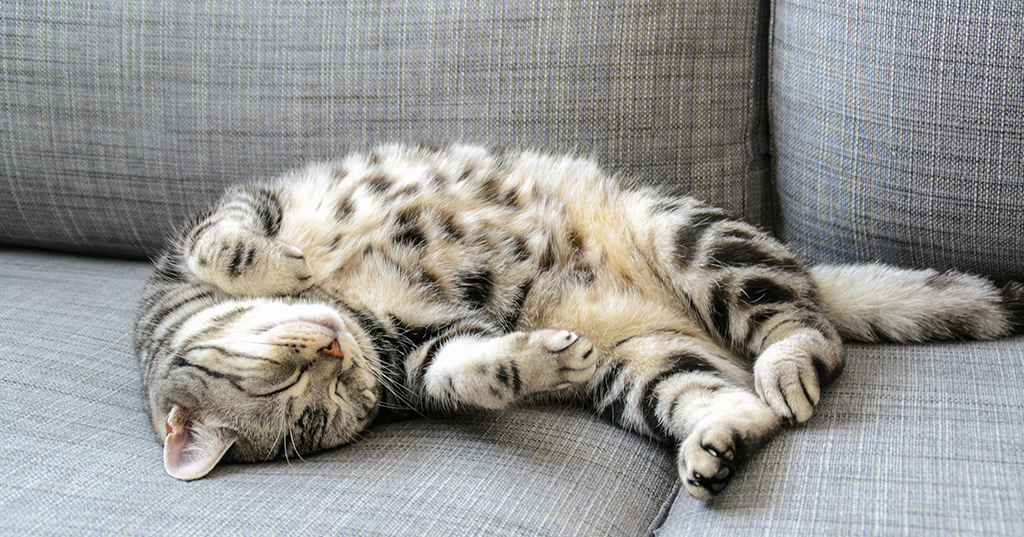
Cat lethargy is a noticeable drop in energy, alertness, or interest in normal activities that goes beyond a cat’s usual napping, and it is often a sign of an underlying problem such as infection, pain, dental disease, kidney disease, or another illness. Any cat who seems unusually tired for more than a day, or who stops eating, should see a veterinarian. Because cats sleep 12 to 16 hours a day, many owners find it tricky to tell the difference between a well-rested cat and a sick one. Cats also instinctively hide illness, which means a quiet, withdrawn kitty may be signaling a bigger issue. At Loveland Regional Animal Hospital, we help Loveland cat owners figure out whether a quiet cat is simply resting or genuinely unwell. Real lethargy looks different from a good nap, and knowing the difference, along with the common causes, the signs that call for a phone call to your vet, and the way our team approaches treatment, can take a lot of the guesswork out of those worrying moments.
Is It Normal for a Cat to Be Lethargic?
Long naps are part of being a cat, but true lethargy looks and feels different from ordinary rest.
Normal Sleep Versus Concerning Fatigue
A healthy cat may doze most of the afternoon, yet wake up quickly when they hear the treat bag, greet you at the door, or chase a toy at dusk. Cats are crepuscular, meaning they are naturally most active around dawn and dusk. Cat lethargy, on the other hand, means a cat stays sluggish even when something normally exciting happens. A lethargic cat may be slow to respond, uninterested in food or play, or difficult to rouse.
Situations Where Low Energy Is Expected
Short periods of reduced energy can happen for understandable reasons. Kittens may seem tired for a day after vaccines, and many cats rest more after a spay or neuter surgery, a dental cleaning, or a stressful car ride. Hot summer days can make indoor and outdoor cats less active. Even in these cases, energy should return within a day or two. If it doesn’t, the drop in activity deserves a closer look.
Age-Related Changes
Senior cats naturally slow down, but aging alone should not cause sudden or dramatic changes. Many conditions that cause cat lethargy, such as arthritis, kidney disease, and hyperthyroidism, become more common after age ten. Owners sometimes chalk up these signs to “just getting old” when treatable problems are actually at work.
What Are the Symptoms of Cat Lethargy?
Lethargy rarely shows up alone, and the signs that accompany it often help veterinarians narrow down the cause.
Signs That Your Cat Is More Than Tired
Watch for these changes alongside low energy:
- Sleeping in unusual places, such as closets or under beds, to hide
- Reduced interest in food, treats, or water
- Ignoring favorite toys, people, or other pets
- Slow or reluctant movement, especially jumping onto furniture
- Grooming less, leading to a greasy or matted coat
- Hunched posture or sitting in a “loaf” position for long periods
Physical Symptoms That Often Accompany Lethargy
Cat lethargy frequently appears with other physical changes. You might notice vomiting, diarrhea, sneezing, nasal or eye discharge, coughing, or changes in litter box habits. Weight loss, increased thirst, and more frequent urination point toward certain chronic diseases. Pale or yellow gums, a bloated belly, or labored breathing are especially worrisome. Some cats also become unusually clingy or irritable when they feel unwell, so a sudden personality shift paired with low energy is worth noting.
Tracking Changes at Home
Keeping simple notes can help your veterinarian. Jot down when you first noticed the change, how much your cat is eating and drinking, and any shifts in litter box output. Video clips of unusual behavior, breathing, or walking can also be valuable during an exam. In multi-cat homes, it can be hard to know who is eating or using the litter box, so separating your cat briefly or watching mealtimes closely may give you clearer answers. These details often reveal patterns that a short clinic visit cannot capture on its own, and they help your veterinarian decide which tests make the most sense for your cat’s lethargy.
What Causes Lethargy in Cats?
Dozens of conditions can lead to cat lethargy, ranging from short-term infections to chronic diseases that develop slowly over months.
Infections and Illness
Viral and bacterial infections are common culprits. Upper respiratory infections, feline leukemia virus (FeLV), feline immunodeficiency virus (FIV), and urinary tract infections can all sap a cat’s energy. Fever, which often accompanies infection, makes cats feel especially sluggish. Intestinal parasites can also cause fatigue, particularly in kittens.
Chronic and Age-Related Conditions
Several long-term health problems commonly cause lethargy, especially in middle-aged and senior cats:
- Chronic kidney disease: one of the most common illnesses in older cats
- Diabetes mellitus: often accompanied by increased thirst and weight loss
- Hyperthyroidism: which can cause restlessness in some cats and weakness in others
- Heart disease: including hypertrophic cardiomyopathy, which may show few early signs
- Anemia: a low red blood cell count that reduces oxygen delivery to the body
- Cancer: such as lymphoma, which can affect energy and appetite
Pain, Toxins, and Emotional Stress
Pain from arthritis, dental disease, or an injury can make a cat withdraw and rest more. Toxins are another serious cause; lilies, certain human medications, antifreeze, and some household cleaners can be life-threatening to cats. Urinary blockages, especially in male cats, can also cause sudden lethargy and are a true emergency. Emotional factors such as a move, a new pet, or the loss of a companion can lead to temporary withdrawal, though a medical cause should be ruled out first.
When Should You Call a Vet About Lethargy in Your Cat?
Because cats hide illness so well, it’s always better to call a little early than wait too long.
Emergency Warning Signs
Seek veterinary care immediately if your lethargic cat shows any of these signs:
- Straining to urinate or producing little to no urine
- Open-mouth breathing, panting, or labored breathing
- Collapse, inability to stand, or sudden weakness in the back legs
- Repeated vomiting or vomiting blood
- Known or suspected exposure to a toxin, including lilies
- Pale, gray, blue, or yellow gums
When to Book a Same-Day or Next-Day Visit
Call your veterinarian within a day if cat lethargy lasts longer than 24 hours, if your cat refuses food for more than a day, or if low energy comes with mild vomiting, diarrhea, or sneezing. Cats who stop eating face a risk of hepatic lipidosis (fatty liver disease), a serious condition that can develop quickly, so appetite loss should never be ignored.
What to Expect at the Visit
Your veterinarian will perform a full physical exam, check temperature and hydration, and review your notes about recent changes. Diagnostic tests may include bloodwork, a urinalysis, X-rays, or ultrasound to pinpoint the source of the problem. Our veterinary team at Loveland Regional Animal Hospital will explain each recommendation so you understand the next steps. Bring a list of any medications, supplements, or new foods your cat has had recently, along with any plants or chemicals they might have reached. Sometimes the cause of cat lethargy is found quickly, and other times it takes a few rounds of testing to get a clear answer.
How Veterinarians Treat the Root Cause of Lethargy
Treating cat lethargy means treating whatever is causing it. Depending on the diagnosis, your veterinarian may recommend fluid therapy for dehydration, prescription medications for infections or pain, dental care, a therapeutic diet, or ongoing management for chronic conditions like kidney disease, diabetes, or hyperthyroidism. Some cats need hospitalization for monitoring and support, while others recover at home with follow-up visits. Never give your cat human pain relievers or medications, since many common drugs are toxic to cats. Regular wellness exams, especially twice-yearly visits for senior cats, help catch problems before they cause noticeable fatigue.
You know your cat’s personality better than anyone, so trust your instincts when something seems off. If your cat seems unusually tired or just not themselves, Loveland Regional Animal Hospital is here to help find answers and get to the bottom of cat lethargy with compassionate, cat-friendly care. Call (513) 697-9796 to schedule an exam.